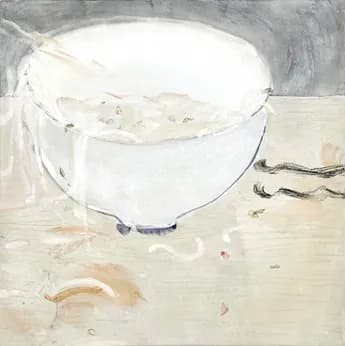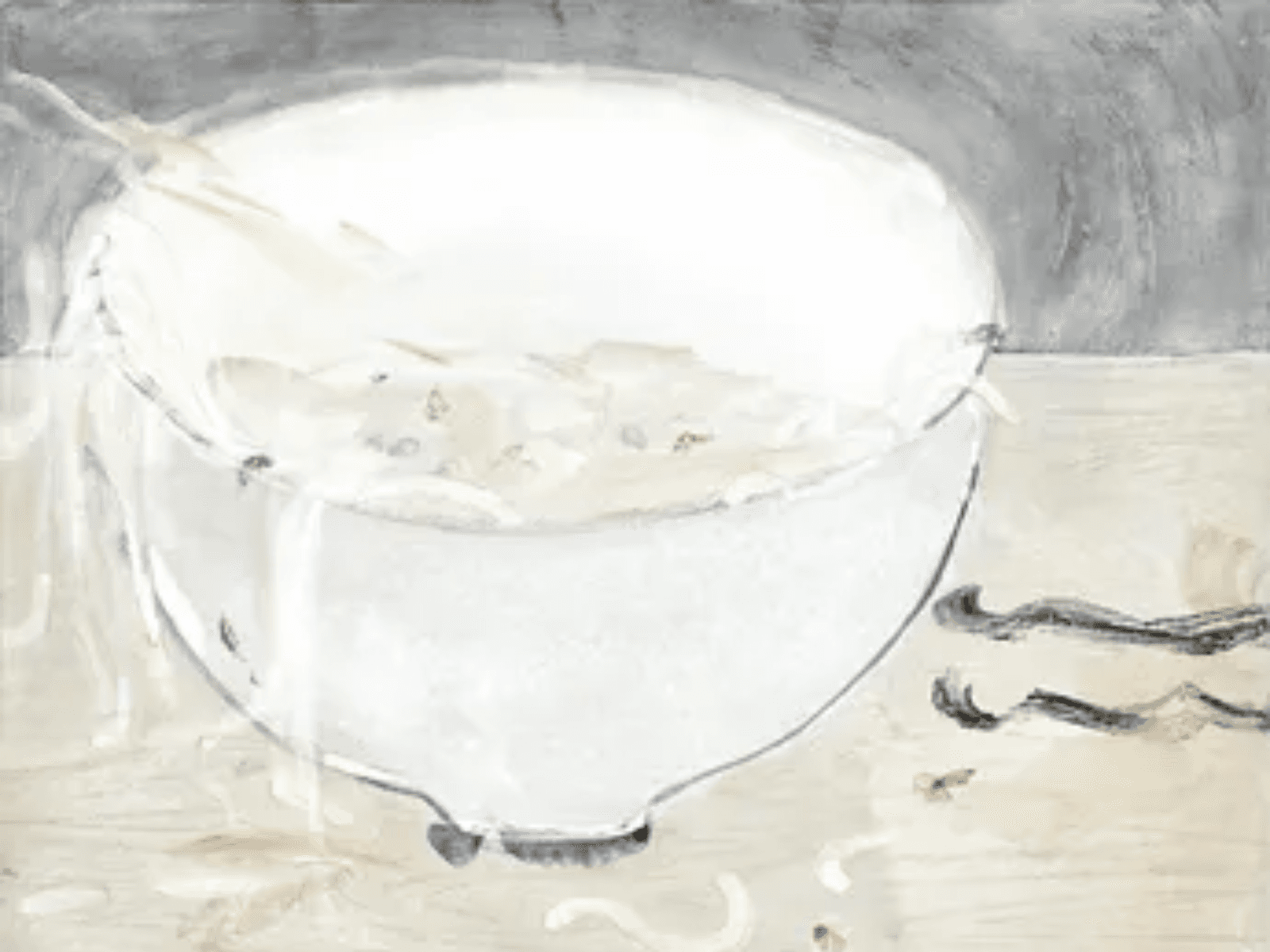
Working from within the material and cultural legacy of Japanese ceramics, Toshiaki Noda (b. 1982) produces indexical sculptures—objects that register gesture, process, and transformation through their form and surface. Raised in Arita, Japan’s historic porcelain capital, Noda approaches ceramics not as a pursuit of perfection but as a site of experimentation, play, and continual revision.
Fragmented and reassembled forms blur the boundaries between painting and sculpture, abstraction and reference. Drawing on the vocabulary of traditional vessels while resisting utility, Noda’s sculptures hover between familiarity and estrangement. Industrial detritus, layered glazes, cracks, and chromatic spills are absorbed into hybrid objects animated by chance, material resistance, and process. Rooted in a lineage of Japanese artists who embraced asobi—play—as a serious aesthetic strategy, Noda’s work offers a vocabulary of unplaceable abstraction: intimate, provisional, and alive with transformation.