Discover this year's New York based Esther exhibitors and see what they're showing at their galleries!
anonymous
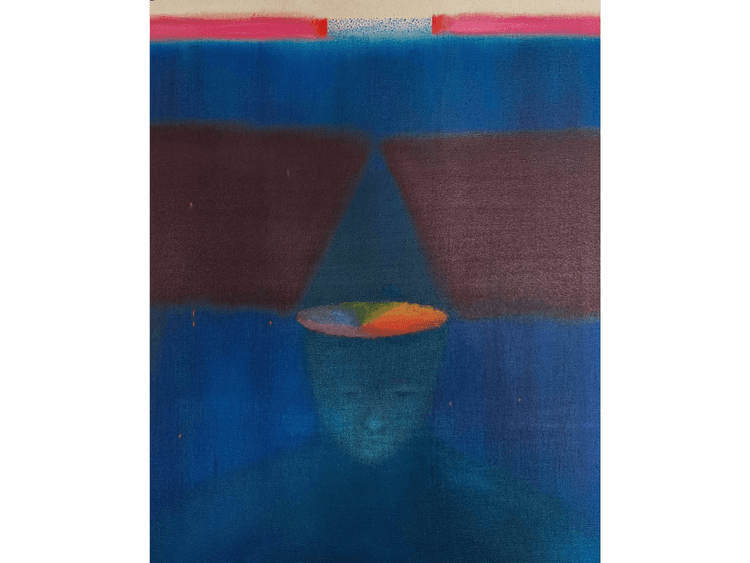
Anthropic is an exhibition of new paintings by Peter Brock that continue his exploration of the horizon as spatial device and ontological proposition. A strip of polished metal bisects each composition, dividing two luminous planes—evoking atmospheric thresholds, architectural seams, and the binary logic underlying computation. The works sustain a tension between embodied perception and rational structure, resisting conclusion. A horizon presents the illusion of a dichotomy that recedes as we chase it.
Apr 24 - May 30
Bureau
CrossLypka: [title needed] presents ceramic works made through a collaborative process in which Tyler and Kyle Lypka pass pieces back and forth — line drawing translated into ceramic form, glazes applied in sequence — each work transformed by both artists' touch and the unpredictable effects of fire, heat, and gravity. The resulting forms are almost biological, rendered in just-off symmetry, their surfaces oblique and open to projection rather than narration. The collaboration poses a quiet question: is it possible to share intuition with another person? The answer, as Lypka puts it, is "sort of, but never completely."
Apr 25 - May 30
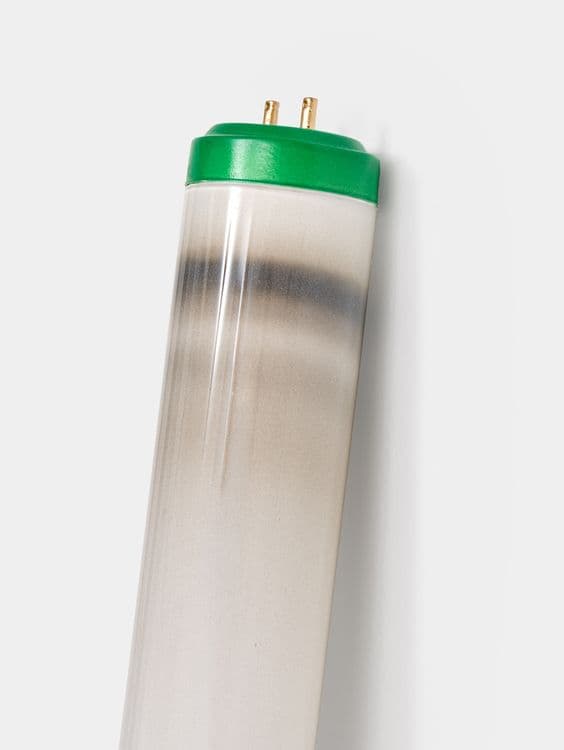
Bureau is pleased to present Bottle and Hole, a solo project by Greg Carideo in the lower level gallery. The exhibition comprises three new sculptures, a custom built pedestal, and a site-specific light installation. Carideo’s practice begins with a reverent attention to his urban environment: wandering, mapping, and cataloging his surroundings. He collects and charts the unnoticed details of design and architecture, along with careworn fragments of discarded objects, which inform the structure and subjects of his sculptures. From his careful designs, he constructs skeletal architectural armatures by hand. Each small construction develops into a kind of unorthodox reliquary, embellished with carefully selected found materials which imbue his sculptures with the gravity of time and memory.
Kate Werble Gallery
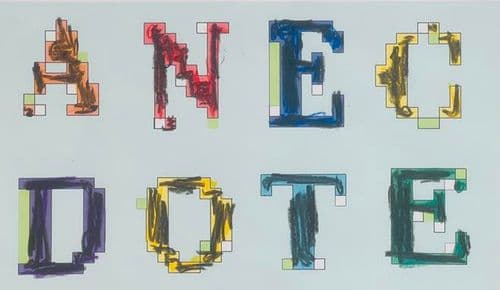
David Humphrey: Anecdote presents an immersive exhibition in which a single painting covers the gallery walls, creating a fictional space — part cartoon exterior, part billboard landscape — within which drawings and a sculpture are organized into smaller subgroups. The drawings emerge from Humphrey's studio ecology, combining image research, observational drawing, and improvisational gesture into single images dense with associative content. Like the anecdote of the title, each work implies more than it says — sharpened specificity opening onto broader possibilities.
Apr 29 - Jun 6
Kerry Schuss Gallery
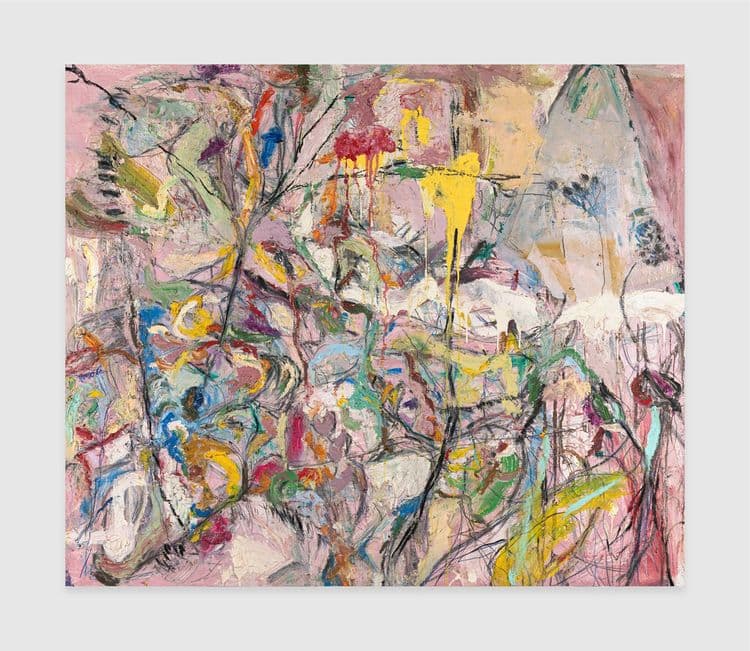
Julian Kent: Eternal Witness takes its title from Isaiah, in which the word bears witness to both human failing and divine redemption — a framework Kent extends beyond Judeo-Christian context to contemplate pain, potency, and love in the present. New works build dimensionality through cold wax, molding paste, clay, lace, and fabric painted directly onto canvas, producing relief-like surfaces where figures pulse with palpable physical life. Shifting scale — from intimate close-ups to life-size canvases — alternately draws viewers in and invites full immersion into these psychic and physical spaces.
May 2 - Jun 6
Klaus von Nichtssagend Gallery
John Hyen Lee: Dark, Light, Dark presents paintings that treat Hangul — the Korean writing system — as a vocabulary of paint, consecutive marks mimicking the act of committing form to memory before dissolving into abstraction through cycles of application and erasure. Lee handcrafts the wooden panels that support his paintings, a practice rooted in growing up with a father who built their family home. The panel frame itself becomes a primary painterly mark in certain works, incorporated into the composition so that wood is never mere utility. Together, the works form a multilingual dialogue that dissociates letters from literal meaning and material from function.
May 15 - Jun 20
David Gilbert presents photographs of paper castles constructed in the artist's studio — drawn and cut forms that curl off walls, photographed in morning light or evening glow. The châteaux, with their fairytale flavor, invoke childhood wonder while the castle as icon carries weight as a symbol of power and dominance over land and people. Gilbert's rendering in drooping paper and scrappy cardboard defangs that power entirely, making stone heft gossamer and blowy. Supporting roles are played by giant lilies, partial sketches of hairy chests, and creeping ivy threatening to subsume the whole scene.
Management
Apr 29 - Jun 7
Margot Samel
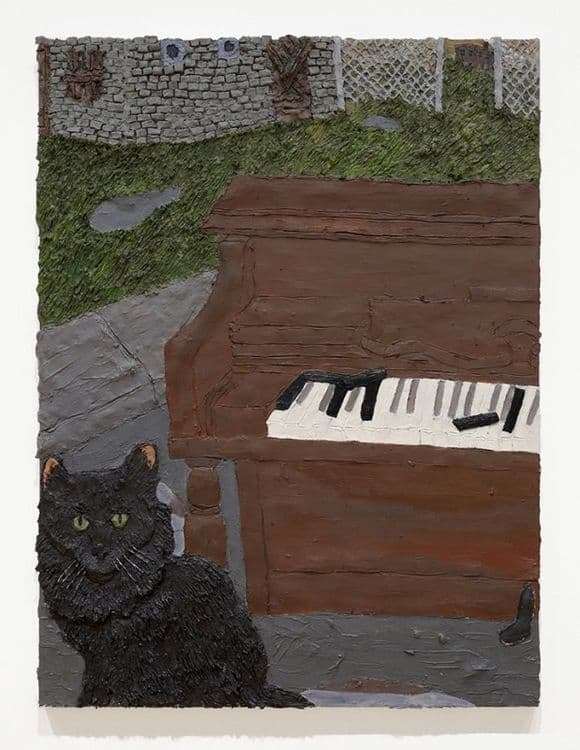
Sasha Brodsky: Dwelling Place presents pastel on raw linen paintings of urban scenes in which figures and architecture co-determine one another — characters enmeshed within doors, alleyways, overgrown lots, and dormant city spaces. Working from a printmaking background, Brodsky's approach to pastel recalls etching: mark, pressure, and gesture accumulating into spatial depth, tones muted as if filtered through layers. The cities depicted are not literal places but provisional ones — fantastical, jittering, always on the cusp of change — insisting on urban specificity and unruly liveliness against the homogenizing forces of contemporary development.
May 8 - Jun 20
Silke Lindner
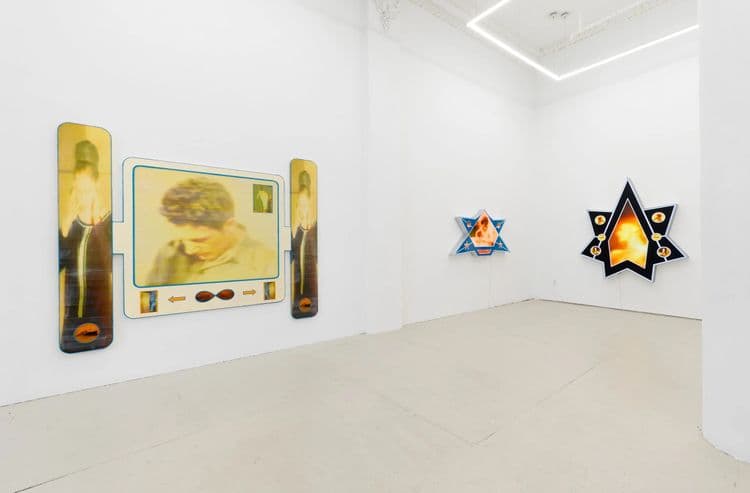
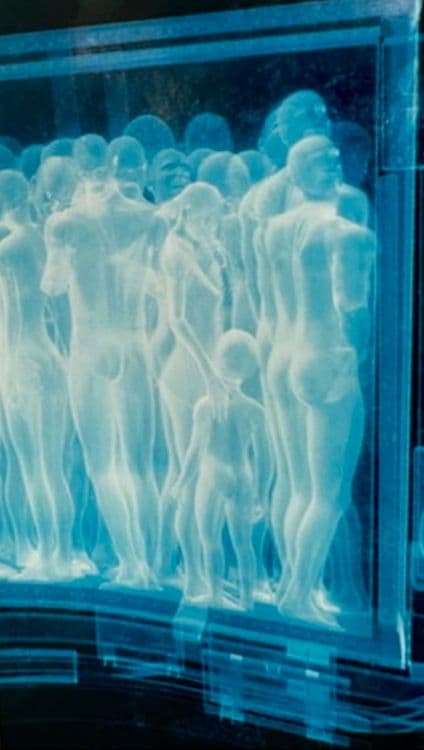
In Actualization Machine, Nina Hartmann draws on declassified CIA documents and Cold War parapsychological research — MKUltra, the Stargate Project, Soviet psychic operatives — to construct shaped encaustic panels, resin sculptures, and lightboxes that operate as diagrammatic compositions across individual works. The resulting pieces sit at the intersection of mysticism, magic, and institutional power, conceived as deliberate destabilizations of presumed knowledge systems. Hartmann uses this focused Cold War history as an entry point into a broader inquiry: how humans are shaped daily by information, aesthetics, symbolism, and context.
Tara Downs
May 1 - May 23
Cell Repair examines how material and the body internalize damage, reorganizing into forms that remain in flux rather than restored or resolved. The exhibition frames repair as an ongoing, indeterminate process, not a return to origin. Across varied practices, the works engage rupture, recalibration, and persistence, tracing how form and meaning are reconstituted through stress and transformation.
May 1 - Jun 6
Off Paradise
May 7 - Jul 7